



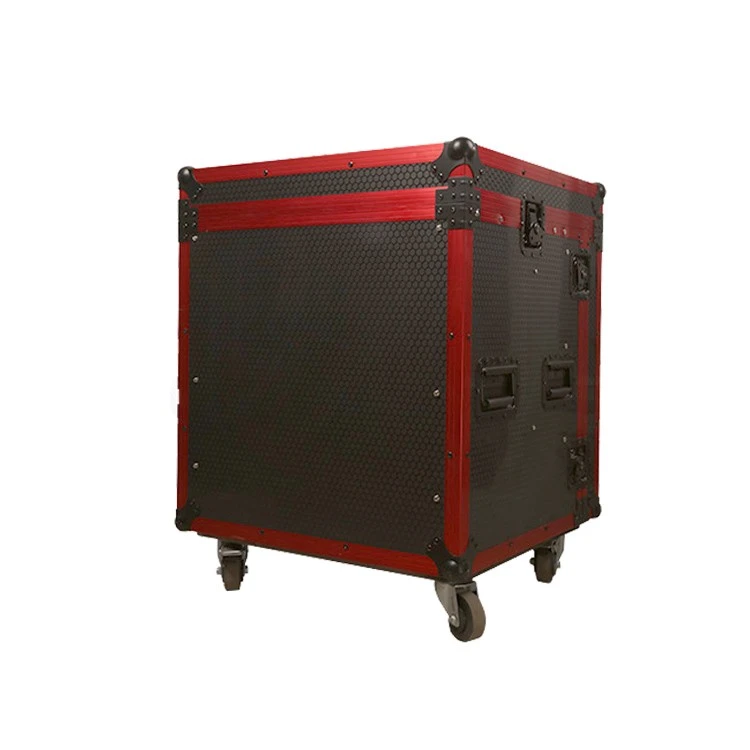
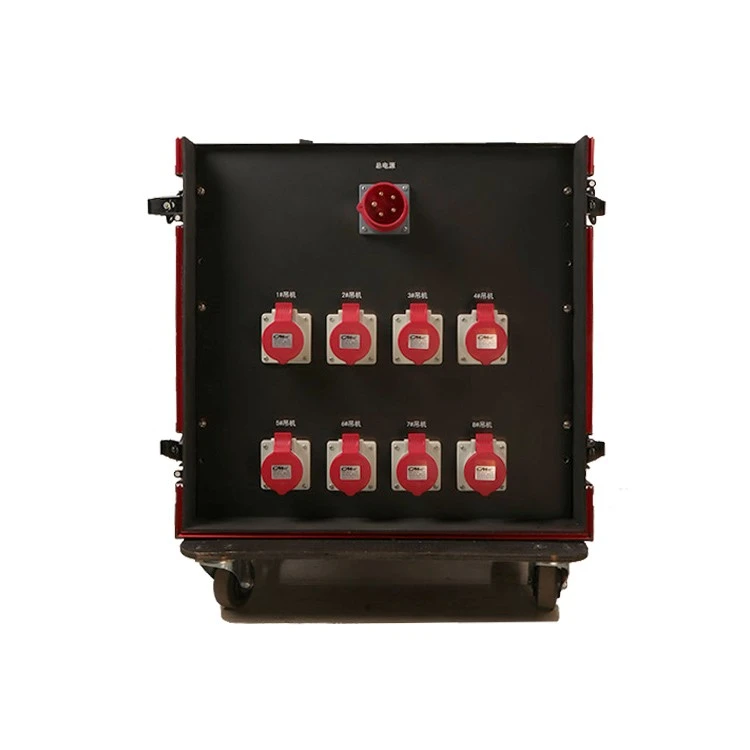
The 4-channel stage hoist controller has distinct advantages over 8-channel and 12-channel large-interface controllers in cost control and scenario adaptability, making it a cost-effective choice for small and medium-sized performance projects. From the procurement perspective, the hardware cost and R&D adaptation cost of the 4-channel controller are much lower than those of large-interface models. There is no need to pay extra for redundant control loops, and the procurement budget is more in line with the cost planning of small and medium-sized performances. In terms of operation and maintenance, its structure is more streamlined with fewer core components, which reduces the labor and time costs of daily maintenance and troubleshooting. In addition, the cost of spare parts procurement is low, effectively reducing the long-term operation and maintenance burden.
At the same time, the channel configuration of the 4-channel controller accurately matches the core needs of small and medium-sized performances. The conventional hoisting point requirements for small and medium-sized commercial performances, theater shows and exhibition events are mostly 4–8, which are mainly used for scenarios such as integral truss hoisting, professional audio and stage lighting equipment suspension, temporary exhibition booth main structure construction, and lifting arrangement of special exhibition items. The 4 independent control loops can directly drive 4 hoists to operate independently. If 8 hoisting points are required, it can be realized by cascading two 4-channel controllers. This not only meets the actual needs, but also avoids the resource waste caused by idle channels of 8-channel/12-channel controllers, achieving an optimal balance between performance and cost.
Hot Tags: 4 channel stage hoist controller, China 4 channel stage hoist controller suppliers, factory, flight case controller, stage hoist controller, Synchronous Grouping Stage Controller


