


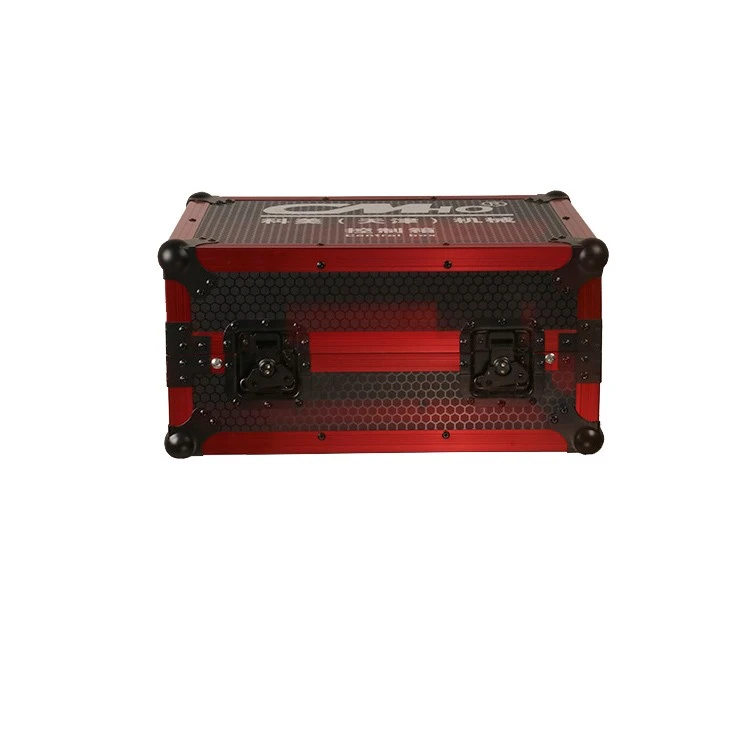
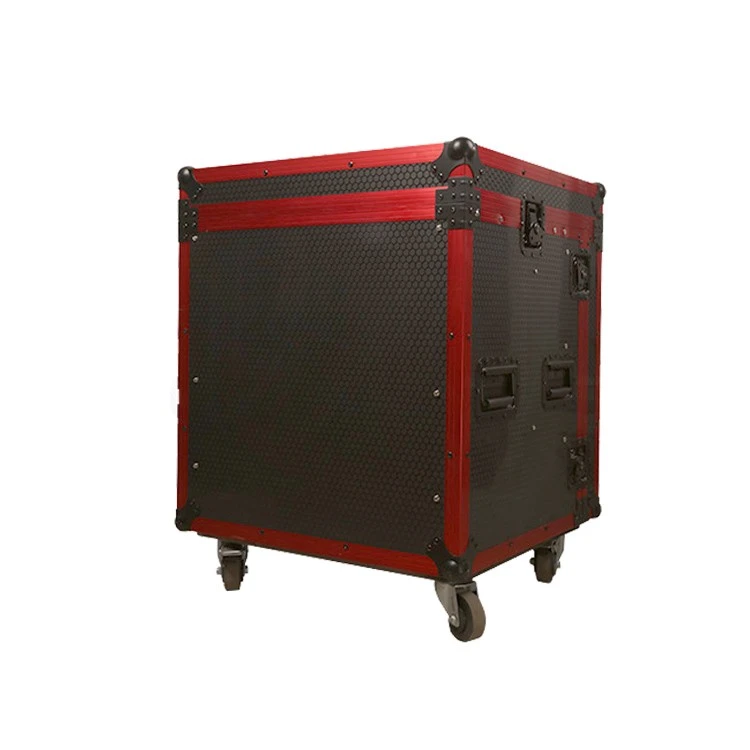
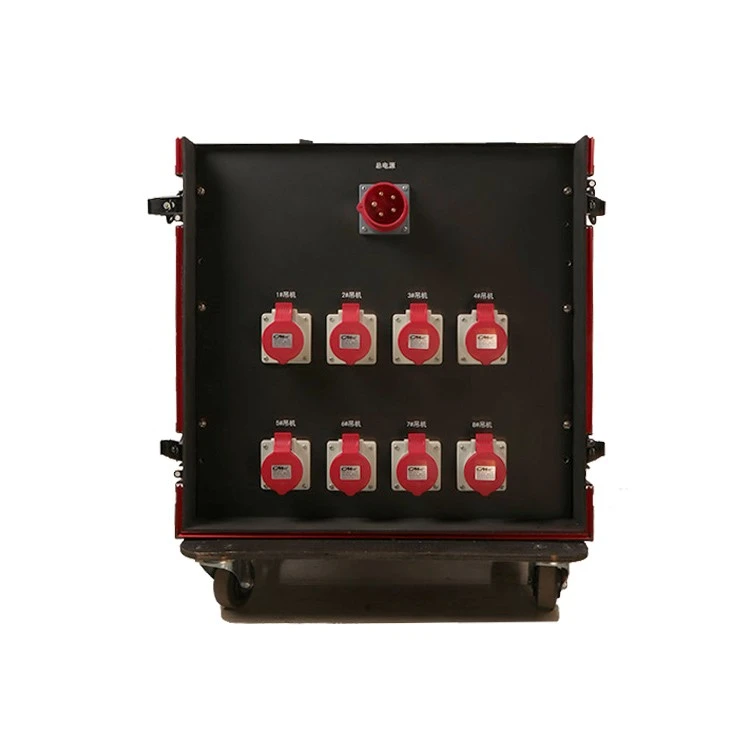
For components of the audio stage hoist control box that have severe rust and surfaces with grooves or recesses - such as the metal reinforcing frames on the outer side of the handle, the gaps in anti-slip, and the toothed adjustment structures of knobs - fine sandpaper is difficult to reach into the crevices. In such cases, a wire brush (it is recommended to use a medium-hardness copper wire brush or stainless steel wire brush, avoiding overly hard iron wire brushes) is a more efficient tool. During operation, align the brush head with the grooved recesses and gently brush in a direction perpendicular to the component surface. Utilize the elasticity of the brush bristles to penetrate deep into the gaps, thoroughly removing hidden rust chunks and oxide layers. Special attention must be paid to controlling the force: if the force is too strong, the hard bristles may scrape off the anti-slip coating on the component surface or leave scratches on the metal frame, which not only affects the appearance but may also become new starting points for rust; if the force is too light, only surface rust can be removed, and deep-seated rust will still hinder the movement of components, leading to repeated operational jams.
After cleaning, use an air blower or a soft brush to blow away residual rust particles in the gaps to ensure no impurities remain. If chemical rust removers are chosen for auxiliary treatment, priority should be given to metal rust removers specially designed for stage machinery - unlike industrial rust removers, these products usually adopt a neutral formula, which can form a protective film on the metal surface while effectively removing rust, reducing the risk of subsequent rusting. They are also more compatible with materials such as the component's electroplated layers and rubber seals, avoiding corrosive damage. Before use, wipe off the surface dust on the handle first, then spray the rust remover evenly on the rusted parts (for gaps, a slender nozzle can be used for precise spraying). Then, let it stand strictly according to the product instructions for 5-15 minutes (the required time varies depending on the degree of rust; for severe rust, it can be appropriately extended, but it is necessary to avoid exceeding the maximum action time specified by the product to prevent residual agents from damaging the components). After the rust is fully dissolved and loosened, gently wipe with a clean, slightly damp cloth (to avoid excessive water seeping into the controller interior) or a soft brush to thoroughly remove residual rust stains and agent residues. Finally, place it in a well-ventilated and dry place to air dry, ensuring it is completely dry before putting it into use.
Through the above targeted rust removal treatments, the problem of inflexible operation of the audio stage hoist control box handle caused by rust can be effectively solved. At the same time, it takes into account component protection and long-term use stability, providing a basic guarantee for the smooth operation of stage equipment.
Hot Tags: audio stage hoist control box, China audio stage hoist control box suppliers, factory, stage hoist controller, Synchronous Grouping Stage Controller, flight case controller


