


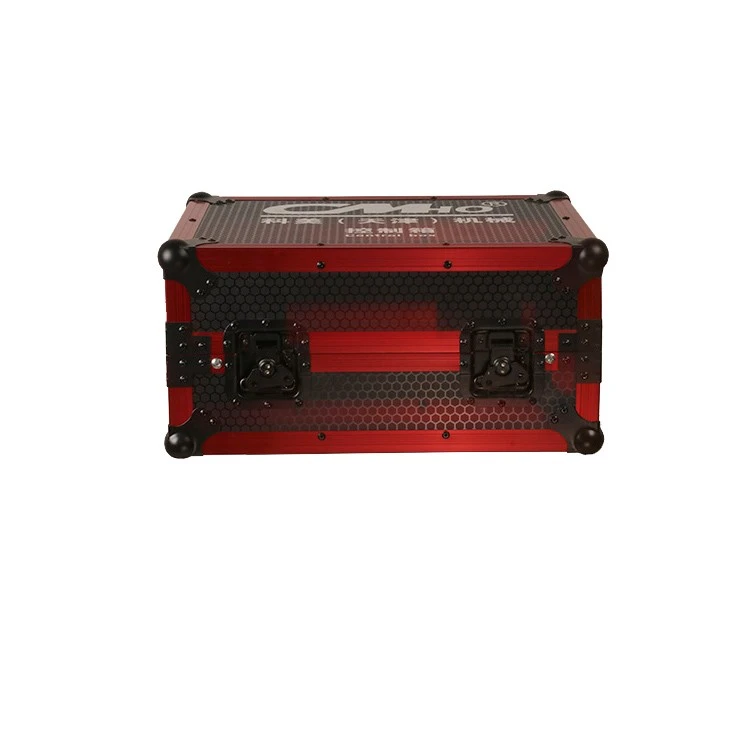
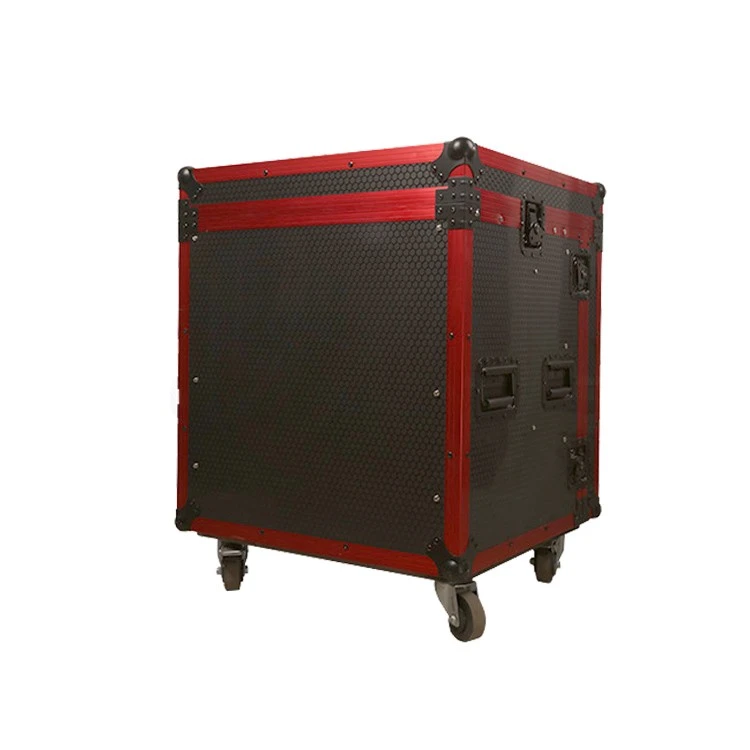
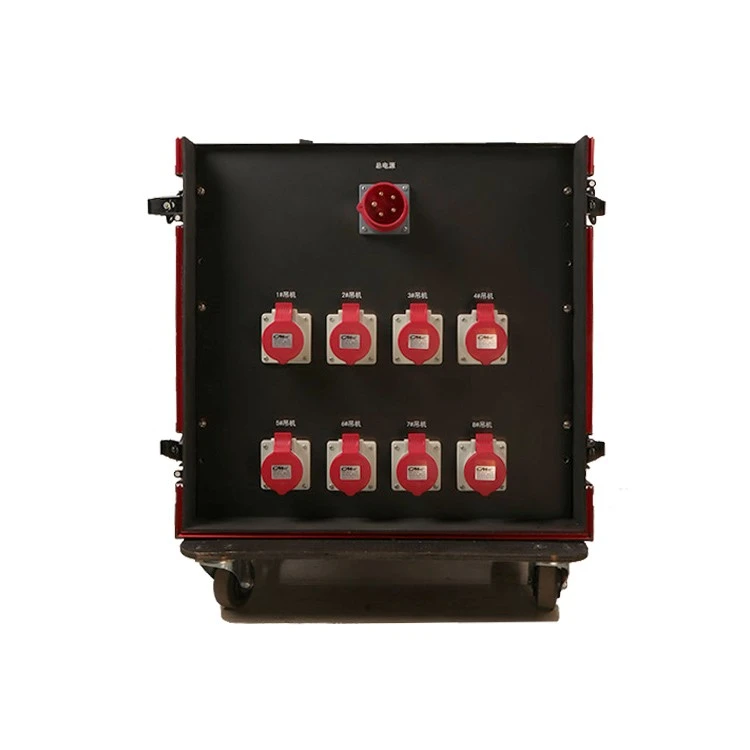
Cleaning and Inspection of Installation Position for Audio Lifting Hoist Controller
After removing the old components of the audio lifting hoist controller, in addition to wiping off surface dust with a soft cloth, it is necessary to focus on checking whether the contact shrapnels and screw holes in the installation slot are intact. For example, if the reset spring under the button is deformed due to long-term use, it may cause the button to get stuck and needs to be replaced together; if the positioning pin on the knob mounting shaft is broken, it will cause the knob to slip when rotating, so it is necessary to polish the rust on the shaft surface with fine sandpaper before installing the new part. For components with waterproof sealing rings (such as controllers used in outdoor stages), it is necessary to check whether the sealing rings are aged. If there are cracks, they need to be replaced simultaneously to prevent rainwater from seeping into the internal circuit.
Precision Installation of New Components
Snap-fixed type: When aligning the snap positions, lightly press to test the snap, ensuring that each snap is completely embedded in the slot (a "click" sound can be heard). Avoid uneven force on one side of the snap, which may cause the component to tilt and affect the operating feel. For example, if the snap of the emergency stop button is not installed in place, the button may not be pressed to the bottom, and the power cannot be cut off in an emergency, posing a safety hazard.
Screw-fixed type: Tighten the screws step by step in a diagonal order (each time tighten to 80% of the force, and repeatedly adjust until fully fastened) to prevent deformation of the controller shell due to uneven force. The screw torque must meet the standard (usually 0.5-1.2N・m, refer to the instruction manual for details). Too loose may cause the component to shake and have poor contact, while too tight may cause slipping or cracking of the plastic shell.
Calibration of operating feel: After installation, it is necessary to repeatedly test the pressing feedback of the button (uniform stroke, quick reset) and the smooth rotation of the knob (no jamming, clear gears). For example, the button controlling the "up/down" of the hoist must ensure that the contacts are completely closed when pressed to the bottom, and there is no false triggering when lightly touched, so as to avoid equipment "stuck" caused by poor contact of the audio lifting hoist controller.
Hot Tags: audio lifting hoist controller, China audio lifting hoist controller suppliers, factory, flight case controller, Synchronous Grouping Stage Controller, stage hoist controller


