

Throughout the entire process of stage performances, from rehearsals to official shows, the stage hand chain hoist serves as a core load-bearing auxiliary device for the rapid withdrawal of backstage props and scene changes. Its operational stability directly determines the control of performance rhythm and the safety baseline of on-site personnel. In high-intensity, high-frequency performance support scenarios (such as large-scale galas, musicals, and other multi-show consecutive performances), if a stage hand chain hoist suddenly experiences a jamming fault that prevents pulling, backstage staff must activate the standardized disposal process immediately. Blind operation due to panic is strictly prohibited to avoid secondary safety risks such as chain breakage and prop falling.
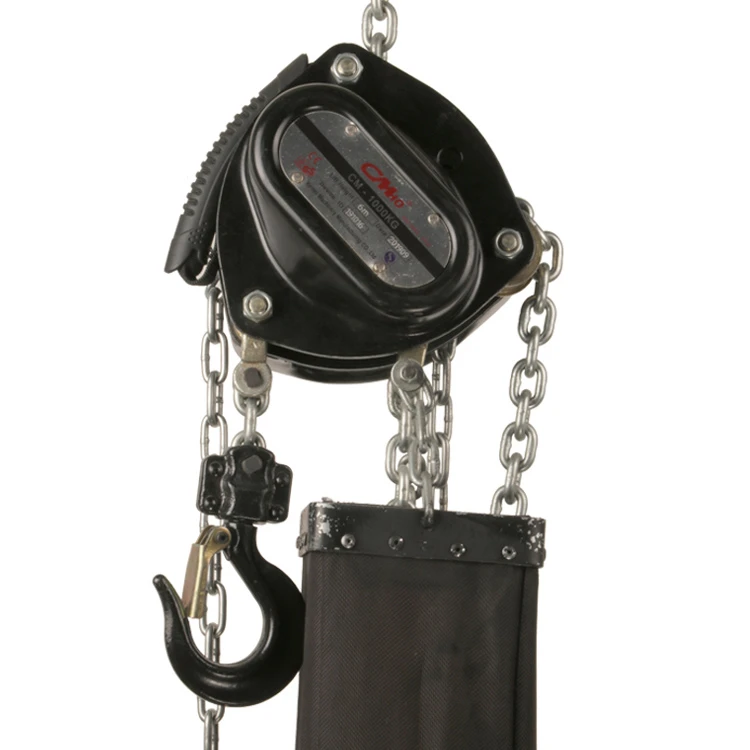
The correct emergency response process must strictly follow the core principle of "first judge, then attempt, and stop loss if ineffective", with specific operations as follows:Step 1: Remain calm and quickly conduct a comprehensive inspection of the hoist body, focusing on troubleshooting the core causes of chain jamming – including whether the chain is knotted/twisted, whether foreign objects are stuck in the chain guide port or sprocket gaps, whether gear meshing is abnormal, whether the braking device is stuck, and whether the load exceeds the hoist's rated load capacity, etc.;Step 2: On the premise of confirming no obvious mechanical damage, gently pull the other hand chain slowly, attempting to control the steady lowering of props at a constant speed and small amplitude, avoiding hasty force application or sudden jerks throughout the process;If the above operations still fail to move the props, all attempts must be stopped immediately. The on-site safety supervisor shall activate the emergency response plan at the first time: suspend the stage performance and explain the situation to the audience, organize professionally qualified technical personnel to fix the suspended props with auxiliary safety equipment such as safety slings and backup hoists, unload the props after they are fully stabilized, and remove the faulty hoist for comprehensive maintenance. The hoist can only be put back into use after confirming no potential safety hazards.