


In performance scenarios such as concerts and operas, where "zero tolerance" is required for sound precision, the flaws of traditional lifting equipment exert a more direct negative impact on performance quality. On one hand, microphones used in concert venues-especially condenser microphones and lavalier microphones-boast extremely high sensitivity, capable of capturing subtle sounds below 20 decibels. The "sizzling noise" from gear friction when traditional hoists operate, the "hum" of motor startup, and even the "low-frequency vibration" transmitted through the stage structure will all be picked up by microphones. These noises are then amplified via the sound system and superimposed on musical instrument performances and singers' vocals, resulting in a "noisy impurity" in sound quality that undermines the purity of the music. For instance, during the "piano dynamic passages" of a symphony, faint mechanical noises can mask the overtones of violins and the sustain of pianos, disrupting the balance of different instrumental parts. On the other hand, the "risk of equipment displacement" caused by vibration is equally devastating. Equipment on a concert stage, such as pianos, timpani, and synthesizers, has extremely high requirements for the precision of their placement.
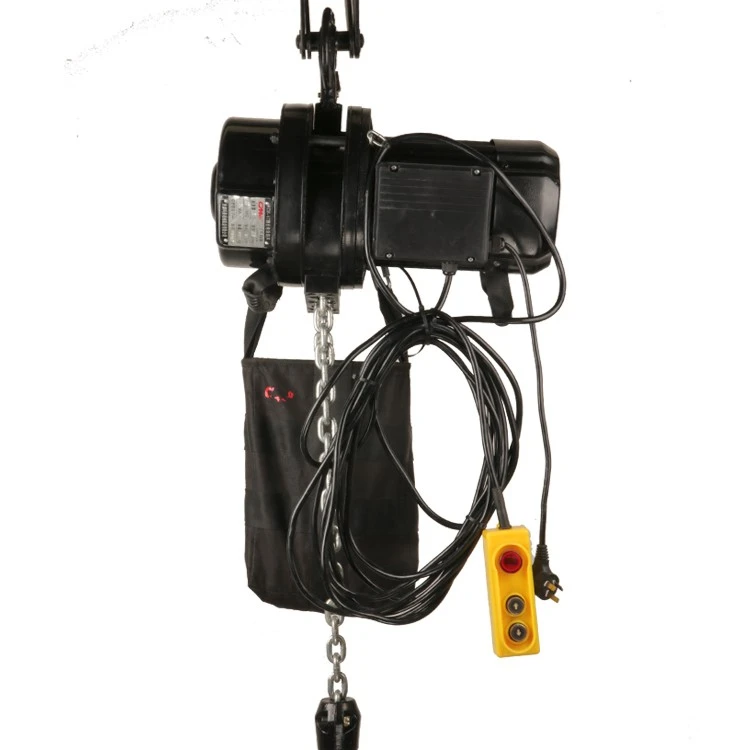
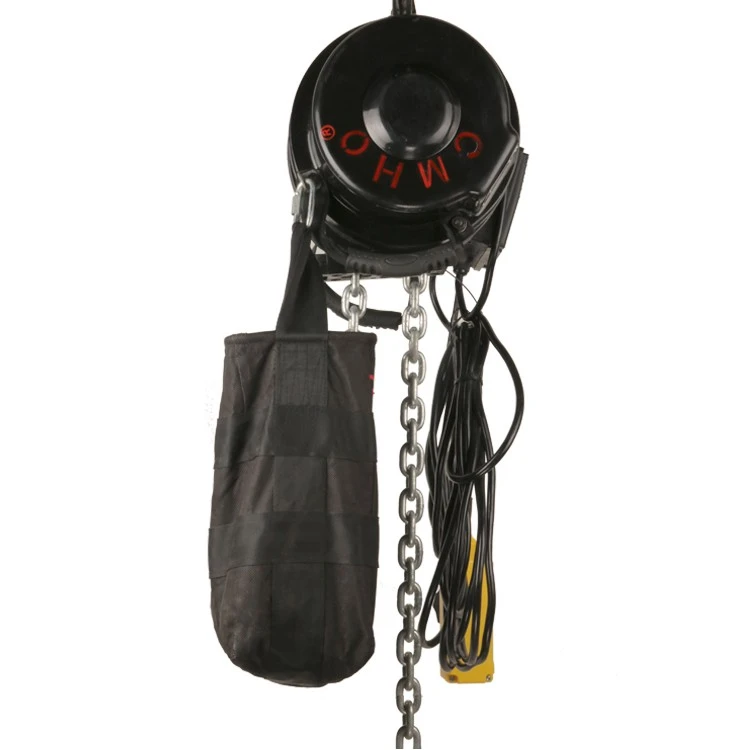
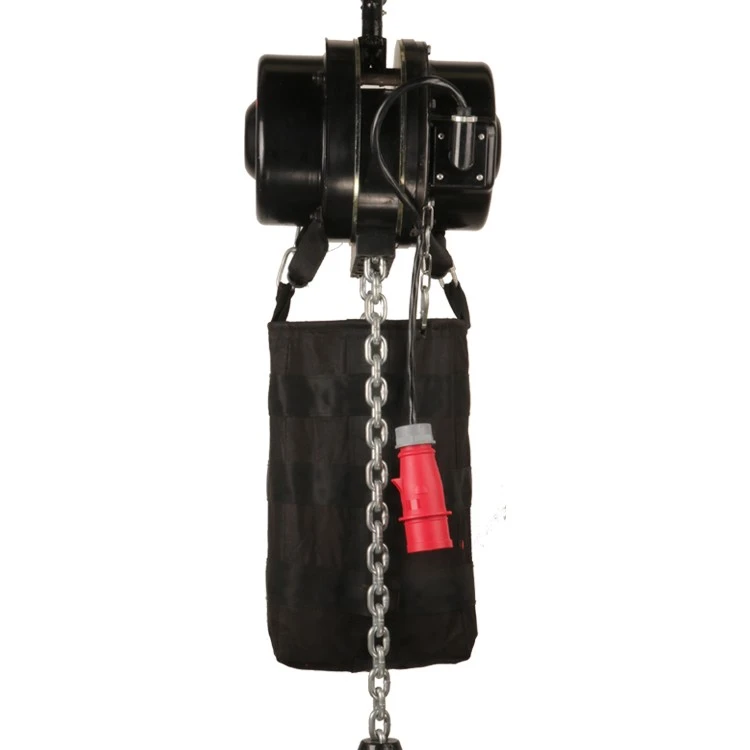
For example, a piano must be fixed in the central axis area of the stage-where acoustic reflection is optimal-and microphones need to be accurately aligned with the sound pickup points of instruments. If vibrations from the operation of traditional equipment are transmitted to the stage surface, they may cause slight displacement of light-weight instruments (such as electric guitars and xylophones) or make microphone stands shake, thereby altering the sound pickup angle. After a microphone originally aligned with a violin's bridge shifts, it may simultaneously capture the resonance of the violin's body and background noise on the stage, muddying the timbre of the instrument. Ultimately, this impairs the sound presentation of the entire performance and the creation of the on-site atmosphere. In contrast, the safe stage electric hoist, which is adapted to stage scenarios, leverages precision mechanical design and anti-interference electrical control. It can keep operating noise below 30 decibels (close to the noise level of a library) and vibration amplitude within 0.1mm, fundamentally avoiding interference with sound effects and equipment stability. Thus, it serves as a "reliable backbone" for high-demand stage performances.
Hot Tags: safe stage electric hoist, China safe stage electric hoist suppliers, factory, Stage Truss Electric Chain Hoist, Electric Chain Hoist Stage, stage electric hoist, Theatrical Hoist, Lighting Truss Hoist for Stage, Stage Lighting Hoist for Entertainment


