

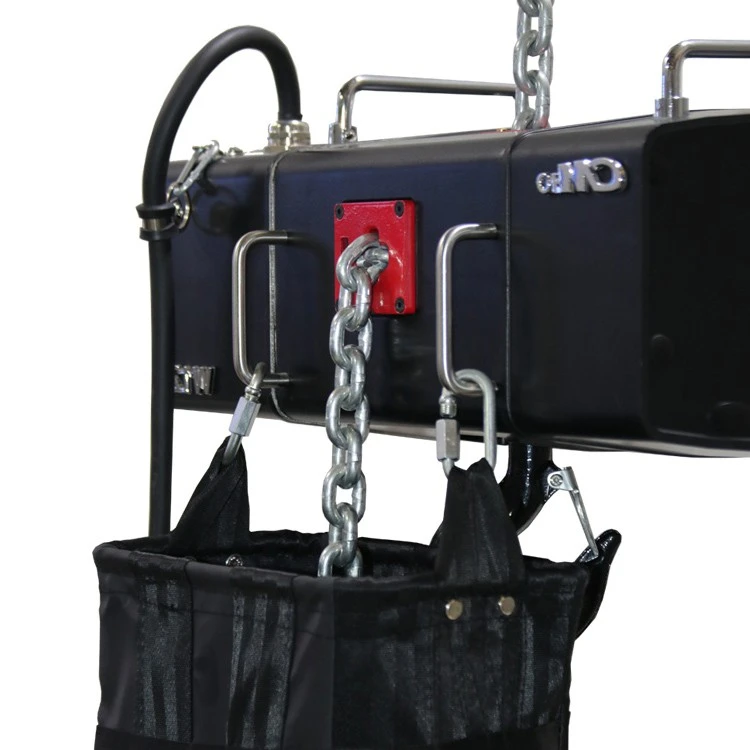
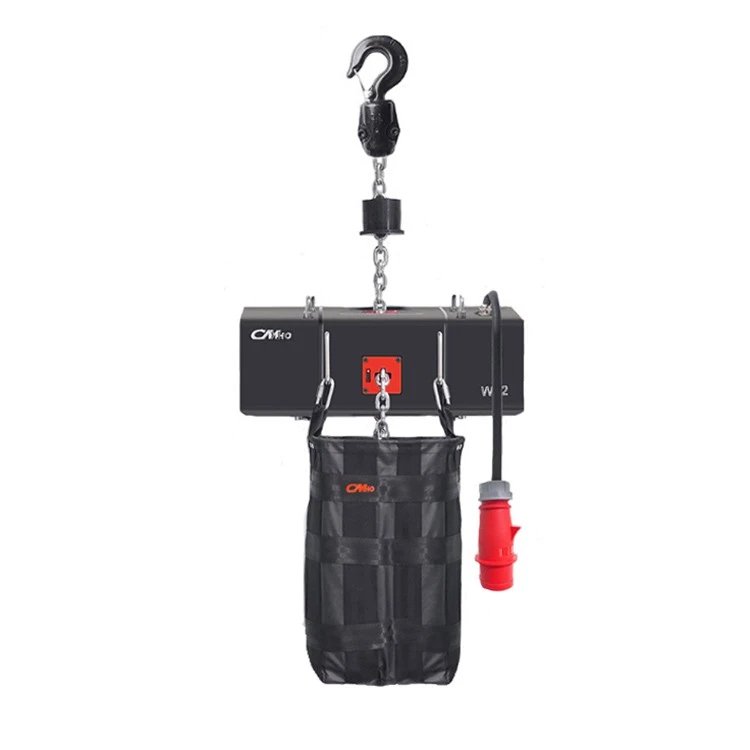
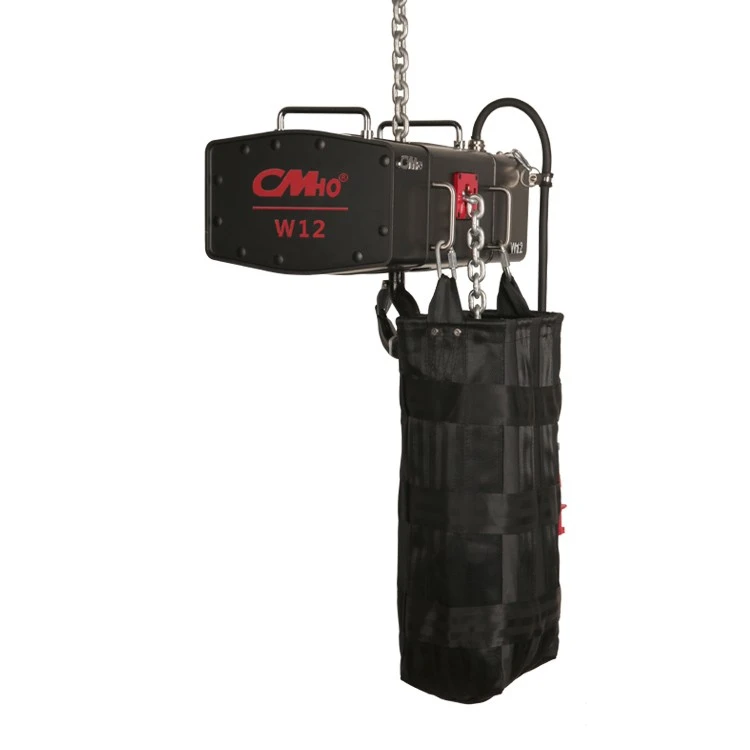
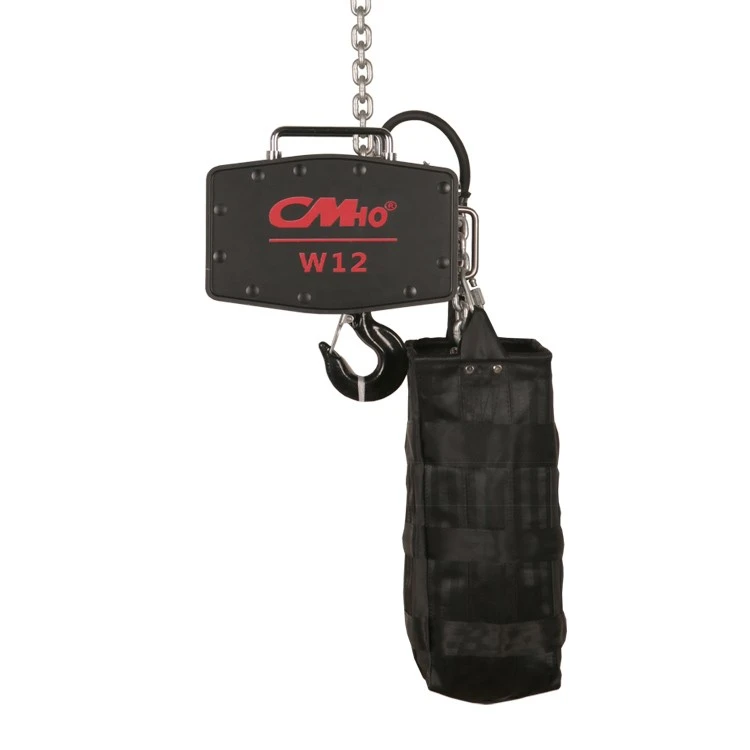
The operating scenarios of truss lifting electric hoists are inherently dynamically complex, placing an all-round and unrelenting stringent test on the equipment's reliability and durability. During the installation and rigging phase, operators need to maneuver nimbly through layered truss structures to achieve precise fixing of the hoist body, lifting points, connecting components, and load-bearing chains. Working spaces are typically narrow and confined, with the hoist body frequently in close proximity and interwoven contact with lighting trusses, sound systems, various cables, connectors, and other stage auxiliary equipment, making accidental collisions, compression, and scratches highly likely.
The disassembly and recovery phase following performances represents an even more typical scenario of high-intensity, time-critical operations. To ensure rapid site clearance and smooth venue transitions, teams are often required to complete batch disassembly, sorted storage, and centralized transportation of equipment within an extremely limited time window. During this process, truss lifting electric hoists are frequently stacked quickly, moved repeatedly, and placed temporarily, inevitably subject to knocks, impacts, and friction. The surface of the hoist body is highly prone to scratches, dents, and abrasions. Insufficient ruggedness of the material will directly compromise the equipment's aesthetic integrity and long-term structural stability.
Hot Tags: electric hoist for truss lifting and lowering, China electric hoist for truss lifting and lowering suppliers, factory


